
 By
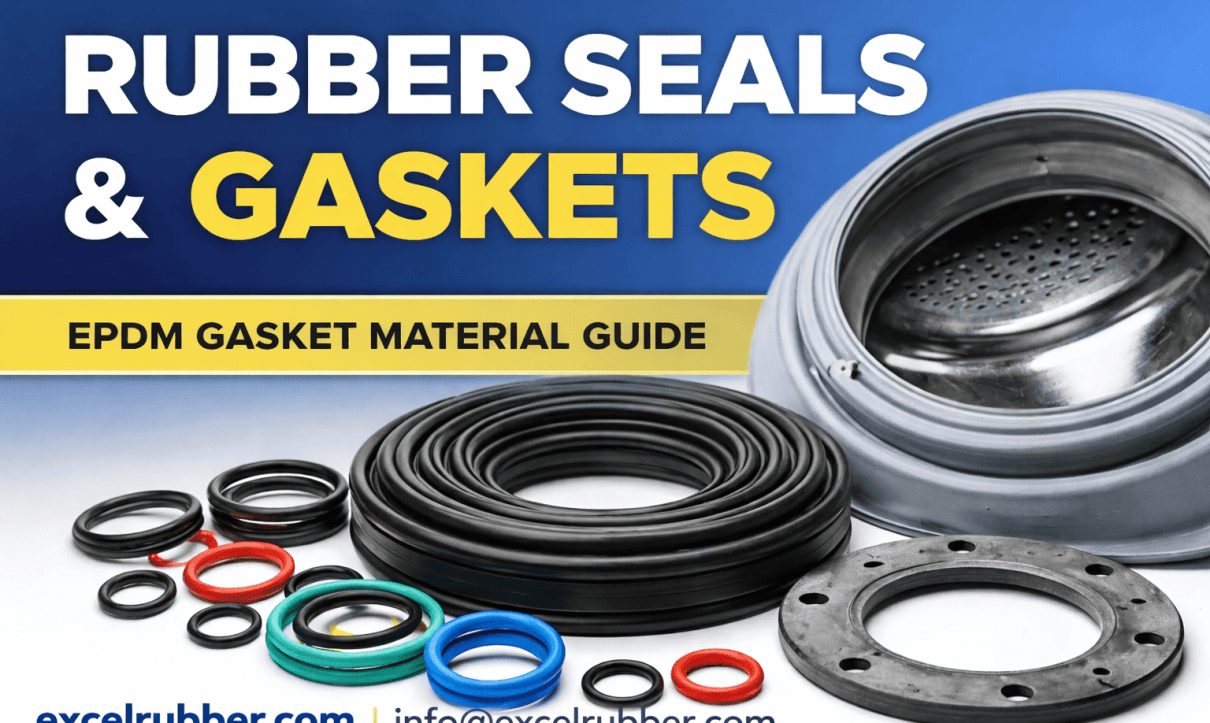
By Rubber seals and gaskets support reliable performance across many industrial and household applications. Washing machines, plumbing systems, automotive assemblies, HVAC units, and manufacturing equipment all depend on these components to prevent leaks, manage pressure, reduce vibration, and maintain long-term efficiency. Excel Rubber develops precision-engineered rubber solutions that meet demanding operational requirements while delivering durability in challenging environments.
This guide explains rubber seals, rubber seals and gaskets, rubber gasket materials, and EPDM gaskets. It also covers one of the most searched maintenance topics today: how to clean rubber seals, with a specific focus on front-load washing machines.
Understanding Rubber Seals and Their Function
Rubber seals create a tight barrier between two surfaces and block the movement of liquids, gases, dust, and contaminants. Their flexibility allows them to conform to surface irregularities, which helps maintain consistent sealing even under pressure, vibration, or repeated motion.
Industrial systems rely on rubber seals in pumps, valves, compressors, engines, and protective enclosures. Household appliances such as washing machines, dishwashers, and refrigerators also depend on these seals for proper operation. Material selection, design precision, and regular maintenance largely determine how effectively a rubber seal performs over time.
Rubber Seals and Gaskets: How They Differ
Although many people group rubber seals and rubber gaskets together, each serves a different purpose. Rubber seals typically support applications that involve movement, including rotating shafts and appliance doors that open and close frequently. Rubber gaskets usually support static applications where two fixed surfaces connect.
Manufacturers install rubber gaskets between flanges, covers, housings, and joints to stop leaks. Both seals and gaskets rely on compression, but engineers choose between them based on motion, pressure variation, and operating cycles.
Rubber Gaskets in Industrial and Commercial Applications
Rubber gaskets offer versatility and cost efficiency, which explains their widespread use across industries. When compressed, they fill microscopic gaps and compensate for surface imperfections. This ability helps systems maintain reliable sealing even when temperatures or pressures change.
Industrial applications commonly include piping systems, heat exchangers, pumps, and heavy machinery. Household appliances such as washing machines also use rubber gaskets to seal tubs and internal components, preventing water leakage during operation. Selecting the correct rubber gasket material ensures compatibility with the surrounding environment and operating conditions.
Rubber Gasket Material: Choosing the Right Option
Material choice plays a critical role in the performance and lifespan of rubber seals and gaskets. Different rubber compounds resist heat, chemicals, water, oils, and environmental exposure to varying degrees. Understanding rubber gasket material options helps users achieve long-term reliability and consistent performance.
EPDM rubber stands out as one of the most widely used materials because it resists water, steam, ozone, and UV exposure. These properties make EPDM well suited for outdoor and wet environments, including washing machines, plumbing systems, and HVAC equipment.
Many automotive and hydraulic systems rely on nitrile rubber because it resists oils and fuels effectively. Silicone rubber performs well in high-temperature environments and suits applications that require food-grade or medical-grade compliance. Neoprene rubber provides balanced resistance to weather, flexibility, and moderate chemical exposure.
Excel Rubber selects materials based on specific application requirements to ensure durability, safety, and dependable performance.
EPDM Gaskets: A Reliable Sealing Solution
EPDM gaskets perform especially well in applications that involve water, detergents, and outdoor exposure. Their molecular structure allows flexibility across a wide temperature range while resisting cracking, hardening, and long-term degradation.
Washing machines often use EPDM gaskets for door seals and internal joints because the material tolerates constant moisture and repeated wash cycles. Industrial systems also benefit from EPDM gaskets in water pipelines, cooling systems, and roofing applications due to their long service life and low maintenance needs.
Cost efficiency and durability make EPDM gaskets a preferred choice for manufacturers and maintenance professionals.
Frequently Asked Questions
Why Rubber Seals and Gaskets Deteriorate
Over time, rubber seals and gaskets experience natural wear. Moisture, detergents, heat, pressure, and mechanical stress gradually affect rubber compounds. Poor maintenance and infrequent cleaning accelerate this process.
In washing machines, detergent residue, trapped debris, and standing water often encourage mold and mildew growth. As buildup increases, odors develop, and the rubber weakens, which can eventually lead to seal failure.
How to Clean Rubber Seal on Front Load Washer
Many users search for effective ways to clean rubber seals on front-load washers. Regular cleaning prevents mold growth and helps extend seal life.
Gently pull back the rubber seal to expose hidden folds. Clean these areas with warm water mixed with mild detergent or white vinegar. Use a soft cloth or brush to remove residue, focusing on spots where moisture collects. After cleaning, wipe the seal dry and leave the washer door open to improve airflow and reduce moisture buildup.
How to Clean Front Load Washer Machine Rubber Seal
Stubborn stains and odors respond well to baking soda. Apply a paste made from baking soda and water, allow it to sit briefly, and wipe it away. Avoid frequent use of harsh chemicals, as they can damage EPDM rubber over time.
Running an empty hot wash cycle after cleaning helps remove remaining residue and sanitize the washer drum.
How to Clean Front Loader Washing Machine Rubber Seal
Front loader washing machine seals often trap lint, hair, and small objects. Regular inspection allows users to remove debris before damage occurs. Excess detergent can worsen buildup, so following the manufacturer’s detergent recommendations remains important.
Drying the seal after each wash and cleaning it monthly significantly reduces mold growth and material deterioration.
How to Clean Washing Machine Rubber Seal Effectively
Occasional use of hydrogen peroxide can help control mold buildup, but excessive use may weaken the rubber. Consistent, gentle maintenance delivers better results than aggressive cleaning methods.
When the seal shows cracking, stiffness, or permanent discoloration, replacement becomes necessary to avoid leaks and potential machine damage.
Maintaining Rubber Seals and Gaskets for Longevity
Routine maintenance extends the service life of rubber seals and gaskets across all applications. Regular cleaning, proper material selection, and avoiding incompatible chemicals support long-term performance. Petroleum-based products should never contact EPDM gaskets because they cause swelling and degradation.
Industrial environments benefit from scheduled inspections that identify wear early. Proactive replacement of worn seals reduces downtime and lowers maintenance costs.
When Replacement Becomes Necessary
Rubber seals and gaskets require replacement once they lose elasticity, develop visible cracks, or fail to maintain a tight seal. Persistent leaks, strong odors, or physical damage indicate that cleaning alone no longer solves the problem.
High-quality replacement components from a trusted manufacturer like Excel Rubber help ensure consistent performance and long-term reliability.
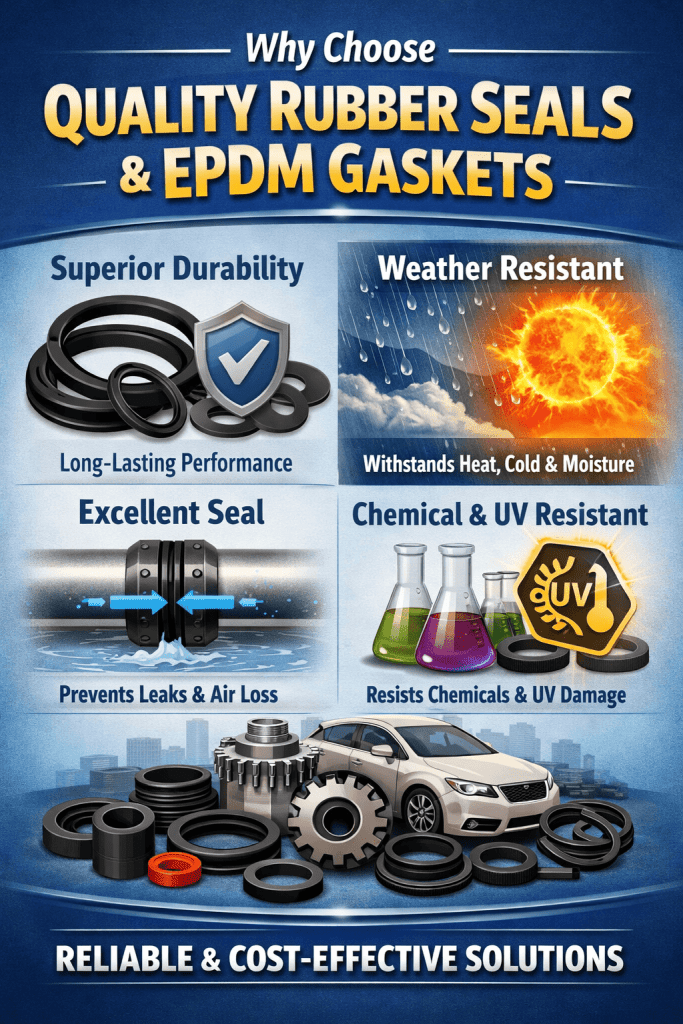
Why Choose Quality Rubber Seals and EPDM Gaskets
Well-manufactured rubber seals and gaskets deliver stronger sealing performance, lower maintenance demands, and longer service life. Precision manufacturing and carefully formulated materials ensure compatibility with demanding operating conditions.
Excel Rubber specializes in engineered rubber solutions that meet exact specifications across industrial, commercial, and appliance applications.
Conclusion
Although rubber seals and gaskets appear small, they significantly influence performance, safety, and efficiency. Understanding rubber gasket materials, especially EPDM gaskets, and following proper maintenance practices helps prevent leaks, equipment damage, and unnecessary replacements.
Whether installed in washing machines or industrial systems, properly designed rubber seals deliver long-term value. Selecting the right materials and maintaining them correctly allows businesses and homeowners to achieve reliable operation and extended service life.
1 Comment
Comments are closed.